How to Evaluate Senior Care Options: Finding the Ideal Assisted Living Home
Business Name: BeeHive Homes of Pagosa Springs
Address: 662 Park Ave, Pagosa Springs, CO 81147
Phone: (970-444-5515)
BeeHive Homes of Pagosa Springs
Beehive Homes of Pagosa Springs assisted living care is ideal for those who value their independence but require help with some of the activities of daily living. Residents enjoy 24-hour support, private bedrooms with baths, medication monitoring, home-cooked meals, housekeeping and laundry services, social activities and outings, and daily physical and mental exercise opportunities. Beehive Homes memory care services accommodates the growing number of seniors affected by memory loss and dementia. Beehive Homes offers respite (short-term) care for your loved one should the need arise. Whether help is needed after a surgery or illness, for vacation coverage, or just a break from the routine, respite care provides you peace of mind for any length of stay.
662 Park Ave, Pagosa Springs, CO 81147
Business Hours
Choosing an assisted living home is one of those decisions that feels both useful and deeply individual. On paper, you are comparing services, costs, and care levels. In truth, you are delegating strangers with a parent's safety, self-respect, and everyday delight. Families often get to this option after a fall, a health center stay, or a slow realization that the present circumstance in your home is no longer sustainable.
Having dealt with households, citizens, and senior care teams over several years, I have seen both excellent results and agonizing errors. The distinction generally rests not on the building's decor or marketing pamphlet, but on how thoroughly the household matched the person's needs and character to the community's culture and capabilities.
This guide walks through the useful side of examining senior care choices, especially assisted living and respite care, while keeping sight of the psychological and human realities underneath the decision.
Clarifying what your family really needs
Before you tour a single neighborhood, you will conserve time and stress by getting honest about current needs and most likely modifications in the next one to three years. Households frequently describe vague objectives such as "more help" or "some supervision." That is a starting point, but it is inadequate to assist an excellent choice.
Begin with three concerns: What can my loved one do separately today? What do they need aid with on a typical day? What worries keep me up at night?
Translate those answers into particular care requirements. For example, if your mother can bathe separately but forgets to take medications three times a week, the concern is trusted medication management, not complete help with personal care. If your father wanders during the night but strolls steadily during the day, night staffing and security matter more than an in house gym.
Many assisted living communities provide a care assessment before relocation in. Deal with that as a handy baseline, however not the whole story. Their evaluation guides prices and staffing, not always your comfort. Bring your own observations, consisting of:
- Recent falls or near falls
- Unplanned weight loss or gain
- Memory lapses that impact security, such as leaving the range on
- Mood changes, withdrawal, or increased anxiety
- Times of day that are particularly tough, like evenings or mornings
This simple list becomes a lens for every single tour, every pamphlet, and every conversation with a senior care provider.
Understanding the continuum: independent, assisted, memory care, and more
Families often jump straight to assisted living because it seems like the middle ground in between home and a nursing center. In reality, there is a continuum of senior care alternatives, and the ideal fit depends on both current function and trajectory.
Independent living works best for older grownups who are primarily self enough however desire more social connections, less home maintenance, and possibly some meal services. Staff participation is light, and medical or personal care services might be limited or offered through outdoors providers.
Assisted living is developed for those who can still participate in their daily routine, however need structured aid with some activities such as medication management, bathing, dressing, or meal preparation. An excellent assisted living neighborhood encourages as much self-reliance as possible, while making sure crucial tasks are done securely and on time.
Memory care is a more specific setting for individuals with moderate to innovative dementia who require secure environments, more cueing, and staff with specific training in dementia behaviors and communication. Some assisted living neighborhoods have a different memory care wing, others are stand alone.
Skilled nursing centers offer 24 hr medical guidance and are appropriate for people with high medical needs, complex injury care, feeding tubes, or frequent medical interventions. Short-term rehabilitation after a hospital stay often occurs in this setting.
Respite care can exist across these levels. It is short-term senior care, usually from a couple of days to a few weeks, typically in an assisted living or memory care system, offering household caretakers a break or bridging a shift after hospitalization. Respite stays can also be a low commitment way to "test drive" a community before making an irreversible move.
The secret is to choose the least limiting environment that can safely support your loved one now and in the foreseeable future. Moving from one level of care to another is possible, but each transition is disruptive. It is much better to believe a step ahead.
Assisted living versus staying at home with help
Many families battle with whether to bring in home care or transfer to assisted living. There is no universal right answer. The tipping point generally includes a mix of expense, security, social needs, and household bandwidth.
When a person lives at home with in home assistants, the environment stays familiar. This can be very stabilizing for somebody with early dementia or strong accessory to their home. Home care likewise scales: you might begin with 8 to 12 hours of aid weekly, then increase as required. Nevertheless, once all the time protection becomes required, the cost can quickly surpass that of assisted living, particularly in city areas.
Assisted living centralizes services. One neighborhood cost covers housing, fundamental utilities, some meals, and standard care. Personnel is on website 24 hours, so someone can react if your mother falls at 3 a.m. The trade off is loss of some privacy and control over regimens. Group meals follow set times. Activities work on a schedule. Staff come and go.
I typically prompt households to consider not just what looks ideal on paper, but what their loved one will really accept. A fiercely independent individual who resents "strangers in my home" might be more open up to relocating to a vibrant assisted living community where help is offered but not continuously in their individual space. On the other hand, someone who ends up being anxious away from familiar surroundings might do much better with thoroughly structured in home elderly care.
What "excellent care" in fact appears like day to day
Walk through 10 assisted living neighborhoods and you will hear similar promises: compassionate care, engaging activities, home like environment. These expressions do not inform you whether your mother will in fact get aid with her shower when she requires it, or whether your father will sit alone in his room day after day.
Instead of focusing on mottos, take a look at how care plays out on a common Tuesday afternoon.
In a well run assisted living home, locals are out in typical areas, not all separated in their rooms. You see small interactions: a caregiver stopping to joke with a resident, a maid taking a minute to adjust a cardigan, a nurse calmly describing a medication modification. There is a sense of calm productivity rather than frenzied rushing.
Staff know citizens by name and know details about them. When I tour a community with families, I listen for personnel who can say, "Mr. Smith likes to have breakfast later, around 9, and he constantly desires an additional banana" or "Ms. Patel gets distressed at nights, so we sign in a bit more then." These details suggest genuine engagement, not just job completion.
Pay attention to how locals look. Are clothing tidy and appropriate for the weather? Do you see uncombed hair, untrimmed nails, or food spots? A couple of unpolished minutes are human, however a pattern of disheveled look mean irregular personal care.
Finally, inquire about staffing ratios, but do not stop at the number. A structure might report a sensible ratio on paper, yet run brief staffed on weekends and nights. Ask who is on site overnight, whether nurses exist or on call, and how they cover ill calls. Ask what a "common day" looks like for somebody with requirements similar to your loved one's, and listen for concrete details, not unclear reassurances.
Key questions to ask on every tour
Most families feel overwhelmed on their first few trips. The community representative gets along, the lobby looks elegant, and it is simple to forget what you implied to ask. Having a short, focused checklist keeps you grounded.
Use this quick list as a foundation and after that change based upon your scenario:
- How is care customized to individual requirements, and how typically is the care plan reassessed?
- What specific aid is included in the base rate, and what services cost additional?
- How do you handle medical emergencies, falls, and medical facility transfers?
- What is your staff training in dementia, mobility assistance, and end of life care?
- Can you share examples of how you support residents who are introverted, distressed, or resistant to care?
Ask to see a sample resident agreement and charge schedule. Surprise fees typically conceal in fine print: medication administration charges, incontinence supply fees, levels of care tiers, transportation costs. A neighborhood that is transparent in advance is most likely to stay transparent when needs change.
It is also affordable to inquire about personnel turnover. No neighborhood has absolutely no turnover, however if leadership modifications every year or caregivers constantly cycle in and out, consistency of care suffers. Citizens with memory loss are particularly impacted when familiar faces disappear.
Evaluating the environment: more than chandeliers and paint colors
Beautiful typical spaces are pleasant, but looks alone do not ensure good elderly care. I pay closer attention to how the building supports security, independence, and comfort.
Corridors need to be wide, well lit, and without mess. Handrails along hallways are an excellent sign. Floor covering ought to minimize fall threat, with very little shifts in between carpet and difficult beehivehomes.com elder care surfaces. In resident restrooms, search for grab bars, raised toilet seats, and walk in showers with non slip surface areas. If you see deep tubs without correct assistances, that suggests outdated design.
Noise level matters, particularly for people with hearing loss or cognitive problems. A consistent barrage of loud televisions, echoing hallways, or overhead alarms can increase agitation. Preferably, you can stand in a common location and continue a regular discussion without shouting.
Outdoor area is typically neglected, yet can drastically enhance lifestyle. A protected yard, garden, or patio provides citizens access to fresh air and natural light. Ask how frequently locals actually go outside. I have actually toured communities with gorgeous courtyards that remain empty due to the fact that staffing patterns do not support supervision.
Smell tells its own story. Occasional smells happen anywhere individuals live, but a prevalent smell of urine or strong air freshener that tries to mask it normally signals housekeeping or incontinence care problems.
Culture and character fit: does this place feel right for your liked one?
Two assisted living neighborhoods can use comparable services on paper yet feel totally various. One may seem like a peaceful, relaxing apartment. Another might resemble a busy college dorm for older adults. Either can be exceptional, however not for every person.
Think about your loved one's social preferences. Are they stimulated by activity, or do they choose small groups and peaceful corners? Walk through at various times of day if possible. Morning, mid afternoon, and early night can reveal various sides of a neighborhood's rhythm.
Notice the activity calendar, but more significantly, observe what is in fact occurring when you visit. Are locals engaged, or is the "activity" a single team member playing a motion picture while everyone dozes off? A good senior care group adapts to various characters. Not everyone desires bingo. Try to find diverse offerings: music, conversation groups, gentle workout, spiritual services, one on one visits for those who do not join groups.
Cultural and language factors matter too. An older adult who speaks restricted English or follows particular spiritual or dietary practices will be more comfy if the neighborhood can truly accommodate these things, not just say "we are open to it." Ask, "Do you have other locals from comparable backgrounds? How do you support their traditions?" Particular examples are reassuring.
Finally, focus on how personnel talk about citizens when they believe you are not listening. Are they speaking respectfully, even in busy moments, or using dismissive labels like "feeders" or "wanderers"? The language people utilize with each other exposes the underlying culture more than refined marketing statements.
Respite care as a trial run
Families sometimes think twice to devote to assisted living. They stress that their loved one will feel abandoned, or that the move will be too disruptive. In these cases, respite care can be an important bridge.

Many assisted living neighborhoods provide totally provided respite suites. Stays can vary from a couple of days approximately numerous weeks. Throughout that time, the person gets the exact same support, meals, and activities as long-term residents. Family caretakers get a break, time to recover from their own health problems, or area to assess whether an irreversible move feels right.
When utilized intentionally, respite care achieves 2 things. First, it offers your loved one a chance to experience communal senior care without the pressure of permanence. Second, it lets you observe how the neighborhood really runs. You can see whether personnel follow through on assured care, how they interact about any incidents, and how your loved one changes over a somewhat longer duration than a one hour tour.
Ask specific questions about respite plans: Is there a minimum stay? Are there surcharges beyond the day-to-day or weekly rate? What happens if your loved one chooses to stay long term after the respite period? Often the respite stay can roll straight into a routine residency, often there is a waiting list.
Financial realities and cost trade offs
Cost is often the most unpleasant subject, yet overlooking it leads to heartbreaking disruptions later. Assisted living is typically personal pay, although in some states limited Medicaid waivers or veterans' benefits help cover part of the expense. Medicare does not pay for assisted living-room and board.
Base rates often cover real estate, basic energies, housekeeping, some meals, and minimal care. Additional charges are layered on for greater levels of assistance. Anticipate expenses to increase as care needs increase. A person who relocates reasonably independent may pay one amount, then 2 years later pay significantly more when they require help with bathing, dressing, or incontinence.
Compare communities not just on regular monthly fees, however on what is included. One building may promote a lower base rate but charge independently for medication management and transport. Another might roll those into a higher base rate that is more predictable over time.
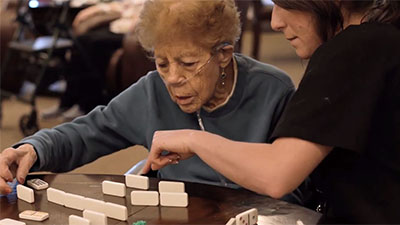
Here is a basic method to frame the contrast in between assisted living and staying at home with outdoors help:
- Assisted living: Consolidated regular monthly cost, onsite personnel 24 hr, built in activities and social contact, however shared environment and less individual control of schedules.
- Home with caretakers: Environment remains familiar, schedule completely personalized, prospective to begin small and scale up, but higher hourly expenses when coverage expands and higher family responsibility for coordination.
- Hybrid technique: Beginning with home care and later transitioning to assisted living when needs reach a limit, accepting that there will be at least one significant move.
Whichever path you choose, attempt to map out a minimum of three scenarios: present expenses, likely costs in 2 years, and a stretch scenario if care needs end up being considerably higher. Discuss what happens if private funds run low. Does the neighborhood accept Medicaid later? If not, would your loved one requirement to move again?
Legal, safety, and medical coordination
A well picked assisted living home must not exist in seclusion from the remainder of the person's healthcare and support group. Smooth coordination with medical care companies, professionals, and family members decreases hospitalizations and prevents confusion.
Before relocation in, ensure legal documents is in place: healthcare proxy or medical power of lawyer, durable power of attorney for finances, advance instructions, and upgraded contact info for all key relative. The neighborhood will generally ask for this, however it is in your interest to review it yourselves and clarify who can make choices when your loved one cannot.
Ask how the community collaborates treatment. Some have going to doctors, nurse practitioners, or therapists who come onsite. Others count on citizens leaving the structure for visits. Each method has pros and cons. Onsite services are hassle-free and lower missed visits, but you wish to make sure that interaction back to the medical care physician is thorough.
Medication management is a crucial area. In assisted living, nurses or trained medication technicians frequently administer medications. Inquire about their training, how they track doses, how they handle changes after a hospitalization, and how they communicate errors if they take place. A neighborhood that acknowledges errors can happen and describes its safety checks is more reliable than one that insists it is perfect.
Security procedures need to balance security with self-respect. Locked front doors, video camera kept track of entryways, and well lit parking area are reasonable. For locals with dementia, protected systems or alarmed doors might be required. What you want to prevent is a prison like environment where limiting motion is the main strategy, rather than engaging residents in significant ways.
Making the relocation and watching for early red flags
Once you choose an assisted living home, concentrate on making the transition as gentle as possible. Bring familiar items from home: a favorite chair, photos, bed linen, small pieces of decor that signal "this is my space." Attempt to move previously in the day, not late evening when tiredness and confusion are more likely.
Expect a modification duration. Lots of homeowners experience a couple of weeks of unhappiness, anxiety, or complaints. Relative typically 2nd guess the decision throughout this time. It assists to separate regular modification from indications of bad fit or low quality care.
Give extra weight to patterns such as repeated missed care, inexplicable injuries, or considerable changes in mood without clear triggers. A single swelling can occur anywhere, however repeating contusions on comparable body parts, weight reduction without medical explanation, or a resident who regularly appears unwashed warrant immediate attention.
Maintain regular interaction with personnel, specifically the nurse or care organizer. Quick check ins, both set up and unscheduled, keep you informed and signal that you remain involved. A lot of senior care teams value household partners who share insights and notice subtle changes.
If issues develop, start by documenting what you see and bringing it to leadership respectfully but strongly. Typically, issues come from miscommunication or a care strategy that needs upgrading. If major security concerns persist despite repeated attempts to fix them, be prepared to check out other choices. Avoiding of regret or fear of interruption in some cases extends a risky or unhappy situation.
Balancing head and heart
Evaluating senior care options is as much an emotional process as a logistical one. Families bring history, love, aggravation, and in some cases old injuries into these decisions. Parents may insist they are "fine" even when fundamental security is at risk. Adult children may seem like they are breaking a guarantee by moving a parent to assisted living.

The goal is not to find an ideal option. Perfection does not exist in healthcare or human relationships. The objective is to find a setting where your loved one can be as safe, reputable, and engaged as possible, provided their health, preferences, and financial truth, and where you as a caregiver can remain a daughter or son, not simply an exhausted nurse and scheduler.
Good assisted living and respite care can safeguard not just physical safety, but also family relationships. When day-to-day care tasks are shown skilled staff, visits can shift from crisis management to shared meals, conversation, and small joys. That is the heart of thoughtful elderly care: developing space for meaningful connection in the years that remain.
BeeHive Homes of Pagosa Springs provides assisted living care
BeeHive Homes of Pagosa Springs provides memory care services
BeeHive Homes of Pagosa Springs provides respite care services
BeeHive Homes of Pagosa Springs supports assistance with bathing and grooming
BeeHive Homes of Pagosa Springs offers private bedrooms with private bathrooms
BeeHive Homes of Pagosa Springs provides medication monitoring and documentation
BeeHive Homes of Pagosa Springs serves dietitian-approved meals
BeeHive Homes of Pagosa Springs provides housekeeping services
BeeHive Homes of Pagosa Springs provides laundry services
BeeHive Homes of Pagosa Springs offers community dining and social engagement activities
BeeHive Homes of Pagosa Springs features life enrichment activities
BeeHive Homes of Pagosa Springs supports personal care assistance during meals and daily routines
BeeHive Homes of Pagosa Springs promotes frequent physical and mental exercise opportunities
BeeHive Homes of Pagosa Springs provides a home-like residential environment
BeeHive Homes of Pagosa Springs creates customized care plans as residents’ needs change
BeeHive Homes of Pagosa Springs assesses individual resident care needs
BeeHive Homes of Pagosa Springs accepts private pay and long-term care insurance
BeeHive Homes of Pagosa Springs assists qualified veterans with Aid and Attendance benefits
BeeHive Homes of Pagosa Springs encourages meaningful resident-to-staff relationships
BeeHive Homes of Pagosa Springs delivers compassionate, attentive senior care focused on dignity and comfort
BeeHive Homes of Pagosa Springs has a phone number of (970-444-5515)
BeeHive Homes of Pagosa Springs has an address of 662 Park Ave, Pagosa Springs, CO 81147
BeeHive Homes of Pagosa Springs has a website https://beehivehomes.com/locations/pagosa-springs/
BeeHive Homes of Pagosa Springs has Google Maps listing https://maps.app.goo.gl/G6UUrXn2KHfc84929
BeeHive Homes of Pagosa Springs has Facebook page https://www.facebook.com/beehivepagosa/
BeeHive Homes of Pagosa has YouTube page https://www.youtube.com/channel/UCNFwLedvRtjtXl2l5QCQj3A
BeeHive Homes of Pagosa Springs won Top Assisted Living Homes 2025
BeeHive Homes of Pagosa Springs earned Best Customer Service Award 2024
BeeHive Homes of Pagosa Springs placed 1st for Senior Living Communities 2025
People Also Ask about BeeHive Homes of Pagosa Springs
What is our monthly room rate?
The rate depends on the level of care that is needed. We do an initial evaluation for each potential resident to determine the level of care needed. The monthly rate is based on this evaluation. There are no hidden costs or fees
Can residents stay in BeeHive Homes until the end of their life?
Usually yes. There are exceptions, such as when there are safety issues with the resident, or they need 24 hour skilled nursing services
Do we have a nurse on staff?
No, but each BeeHive Home has a consulting Nurse available 24 – 7. if nursing services are needed, a doctor can order home health to come into the home
What are BeeHive Homes’ visiting hours?
Our visiting hours are currently under restriction by the state health officials. Limited visitation is still allowed but must be scheduled during regular business hours. Please contact us for additional and up-to-date information about visitation
Do we have couple’s rooms available?
Yes, each home has rooms designed to accommodate couples. Please ask about the availability of these rooms
Where is BeeHive Homes of Pagosa Springs located?
BeeHive Homes of Pagosa Springs is conveniently located at 662 Park Ave, Pagosa Springs, CO 81147. You can easily find directions on Google Maps or call at (970-444-5515) Monday through Friday 9:00am to 5:00pm
How can I contact BeeHive Homes of Pagosa Springs?
You can contact BeeHive Homes of Pagosa Springs by phone at: (970-444-5515), visit their website at https://beehivehomes.com/locations/pagosa-springs/, or connect on social media via Facebook or YouTube
Take a drive to the Riff Raff Brewing Company . Riff Raff Brewing Company offers a relaxed dining atmosphere suitable for assisted living, senior care, elderly care, and respite care family meals.